The price of an EV DC fast charger is rarely just the price of the charger. Two homes can buy similar equipment and end up with very different project costs. The difference usually hides in the electrical panel, cable route, permit process, and backup-power goals.
DC fast charging sends direct current to the EV battery, with power conversion handled outside the car. The U.S. Department of Energy’s Alternative Fuels Data Center describes it as the high-power charging option used for rapid charging. At home, higher power means more planning.
The Charger Is Only One Piece
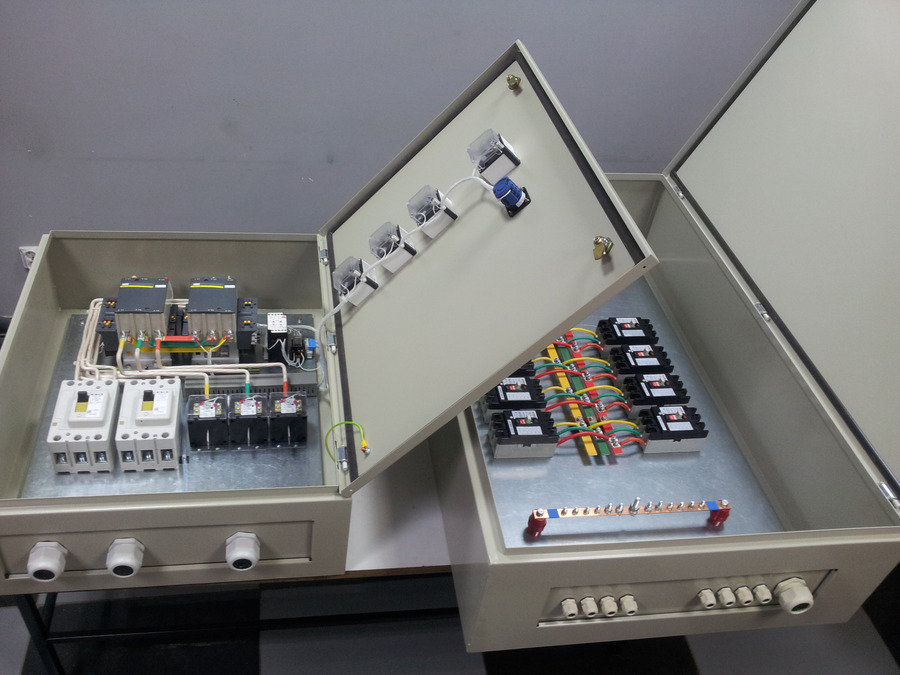
Hardware is the visible line item, but installation conditions often decide the final budget. A short cable run from a modern electrical panel is one thing. A long outdoor run, full panel, older service, or utility approval process is another.
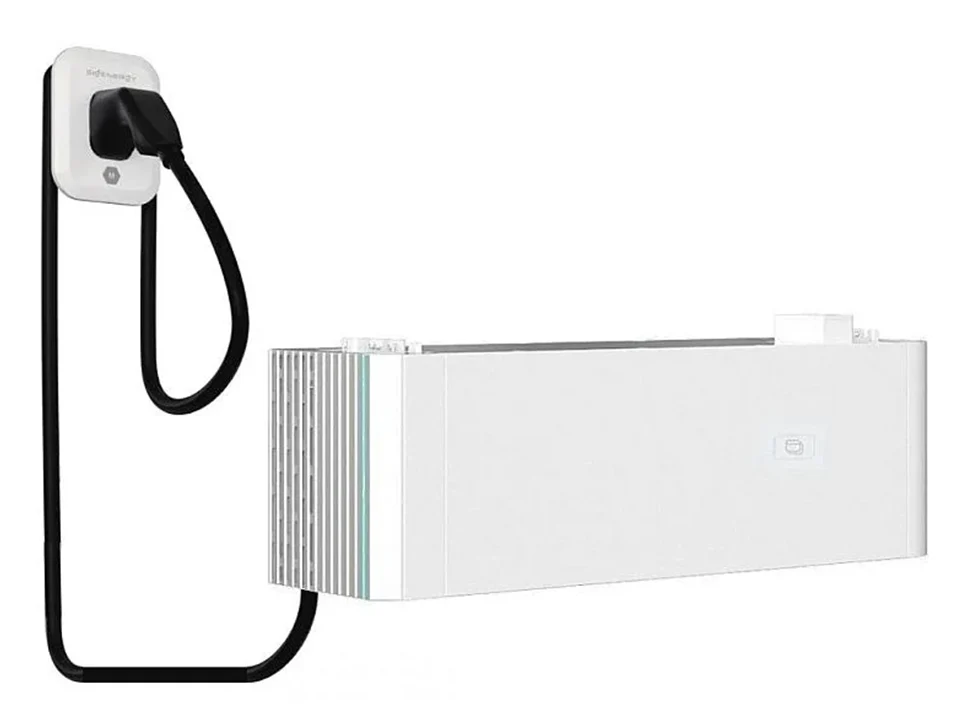
Power rating also matters. According to Sigenergy product information, SigenStor EV DC supports 25 kW bidirectional DC charging for V2H, V2G, and V2X. In a home setting, that number should be judged alongside the vehicle, service capacity, and energy goals.
V2H means vehicle-to-home, where a compatible EV can help power household loads during an outage. V2G means vehicle-to-grid, where export to the grid is possible under approved utility programs.
Price surprises usually appear when the charger changes the rest of the job. A panel upgrade, new conduit, outdoor trenching, longer cable path, or utility review can cost more than expected. A clean garage installation and a detached parking pad are not the same project, even if the charger model is identical.
Backup Goals Add Cost but Also Value
If the charger only fills the car, the project is simpler. If the EV is expected to support the home during outages, the system needs safe transfer equipment and load management. That is not optional. It protects the home, the grid, and utility crews.
This is where Sigen LoadHub backup management belongs in the same budget conversation. Sigenergy product information lists 0 ms switching and five controllable loads, allowing whole-home or partial-home backup strategies.
Those features can increase project scope, but they also change the value of the system. The EV is no longer just a vehicle being charged. It becomes part of the home’s resilience plan.
Ask for a Quote That Separates the Layers
A useful quote should break out equipment, labor, electrical upgrades, permitting, inspection, and optional backup hardware. It should also note whether the charger will coordinate with solar, stationary batteries, and an app.
The International Energy Agency’s Global EV Outlook 2026 says electric car sales exceeded 20 million in 2025. That growth will make home charging more common, but it will not make every installation identical. Local codes, utility rules, and service capacity will still matter.
Homeowners can avoid sticker shock by asking a better first question. Instead of «What does the charger cost?» ask «What does the full energy system need to do?» The answer gives the price context, and often prevents buying equipment twice.
It also keeps bids honest. If one quote includes backup readiness and another only includes charging, the lower number may not be the better deal.