Apartment living teaches useful energy habits. A renter learns that space heaters are expensive, window AC units matter, and vampire loads are not imaginary. But moving into a house with solar, storage, or EV charging changes the energy picture completely. The home is no longer just consuming electricity. It may be producing, storing, exporting, and shifting it.
A home energy monitor for a solar house has to answer bigger questions than a plug-in apartment meter can handle. It should show where power is coming from, where it is going, and whether the timing makes sense.
Plug Loads Are Only the Beginning
In an apartment, the most visible loads may be electronics, small appliances, and HVAC. In a house, the largest decisions may involve the roof, garage, battery, and electrical panel. A solar array can export at noon. A battery can discharge at night. An EV can pull more power than several smaller appliances combined.
The U.S. Department of Energy notes that whole-house monitoring systems can provide more detailed information about household electricity use. That kind of detail becomes more valuable once energy flows in more than one direction.
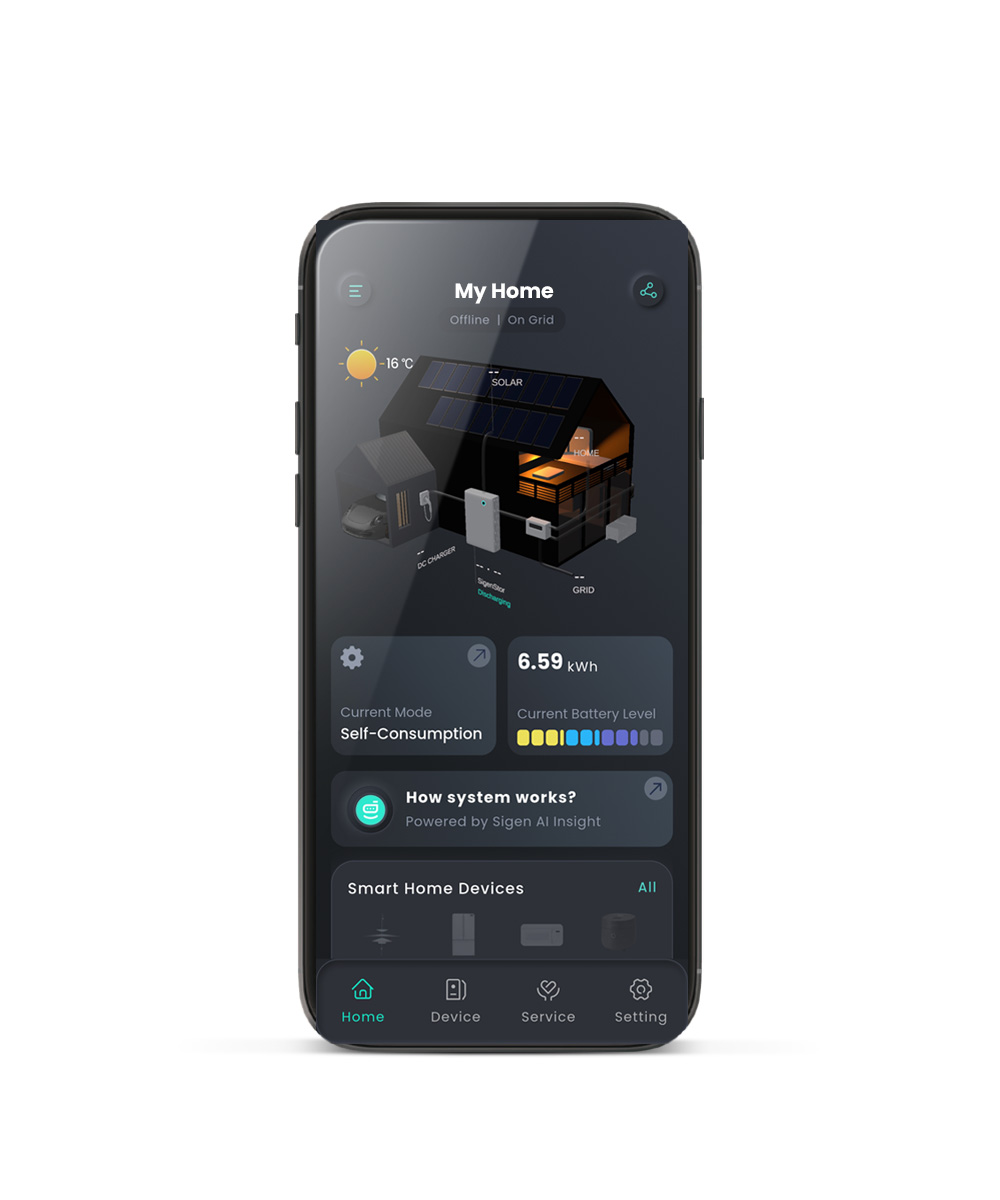
A whole-home energy monitoring app is better suited to that situation than a device that only watches one outlet or one appliance.
Solar Changes the Meaning of Saving
Apartment energy habits often focus on using less. That still matters in a solar home, but timing becomes just as important. Running a flexible load during strong solar production may be smarter than running it after sunset. Charging an EV from midday surplus may make more sense than exporting solar and buying power back later.
NREL’s PVWatts tool estimates solar production based on location, system size, orientation, and losses. A monitor then shows whether the household is actually using that production well.
Keep the View Simple
More equipment should not mean more confusion. The homeowner should not need one app for solar, another for the battery, another for the charger, and a fourth for the utility just to understand a normal day. The monitor should show energy flow in plain language.
That is where the mySigen energy dashboard fits naturally. It gives a homeowner a system-level view instead of forcing them to piece together separate device stories.
There is also a mindset shift. In an apartment, a lower bill usually comes from using less. In a solar home, the best result may come from using energy at a better time. Running the dishwasher at noon can be more sensible than waiting until night if the roof is producing and the battery is already near full.
New homeowners should also watch for loads they never had as renters. A sump pump, well pump, pool pump, garage freezer, irrigation controller, or Level 2 EV charger can change the energy profile quickly. The first few months of monitoring are less about perfection and more about learning the house’s rhythm before changing settings.
The first full utility cycle after moving in is a good baseline. It can show whether the new house has a heavy overnight load, whether solar exports are common, and whether the household is ready for storage or smarter load scheduling.
Apartment habits are a useful starting point. A solar home simply needs a monitor that sees the whole system those habits now belong to.